

The Mechanics of Vapor and the Disposable Shift
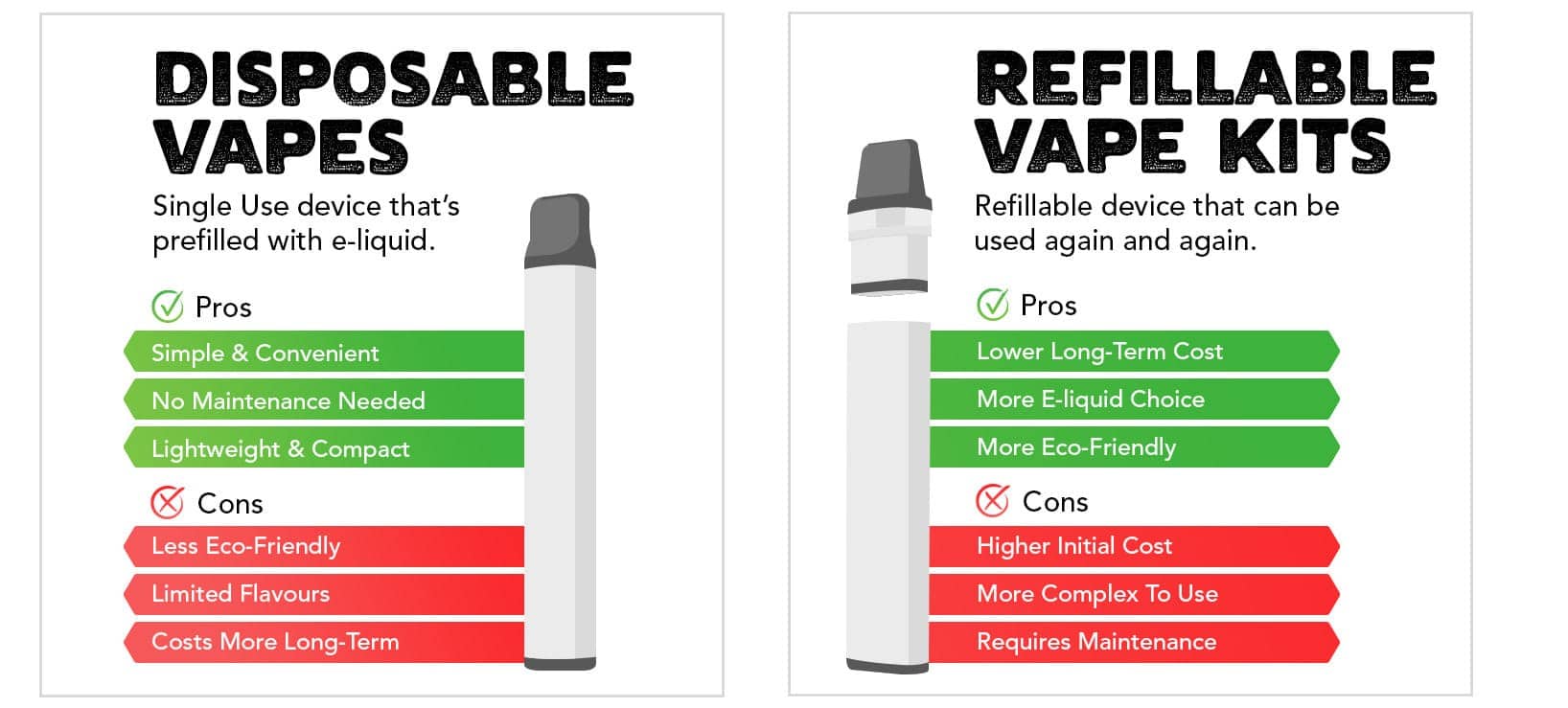
Are disposable vapes actually more efficient, or is it just a matter of convenience masking a bigger issue with how we consume e-liquid?
The question isn’t just about the hardware. It’s about how we interact with nicotine and flavor. For years, the standard was the refillable system. You’d buy a tank, a coil, and a large bottle of e-liquid. You spent your time cleaning parts and learning about wattage. It was more of a hobbyist approach to nicotine delivery.
Then the disposable era arrived. These small, colorful sticks changed the math. You don’t think about milliliters or ohms anymore. Instead, you think about how many days a single unit lasts before it goes in the bin. This shift has changed the way people engage with vapor products entirely.
It feels different. There’s an immediacy to it. You walk into a shop, grab a pre-filled, pre-charged unit, and walk out. No setup. No mess. That ease of use is exactly why the market has moved this way, even if the long-term value isn’t there.
The Chemistry of Flavor and Liquid Density
E-liquids are a specific mix of vegetable glycerin (VG) and propylene glycol (PG). These two carriers decide how much vapor you get and how much “throat hit” you feel. It’s a balance. It determines if a device feels like a smooth cloud machine or a sharp, stinging sensation.
Disposable vapes rely on high VG ratios to produce the thick, satisfying cloud many users want. Because these are meant to be thrown away, manufacturers can calibrate the liquid specifically for that one battery’s lifespan. It is a closed loop built for a specific sensory result.
But the chemistry goes beyond the base. The flavorings are the real stars. We’re seeing a huge variety of profiles, from dessert-heavy creams to sharp, acidic fruits. These flavors stay consistent from the first puff to the last, which is a real engineering feat for such a small, cheap device.
The Role of Nicotine Salts
Traditional e-liquids often use freebase nicotine, which can be harsh on the throat at higher strengths. Most modern disposables, however, use nicotine salts. These are processed differently, so you get a much smoother inhale even when the concentration is high. That smoothness is why the disposable experience is so addictive for many.
The rapid absorption of nicotine salts is another reason disposables have taken over. The user gets a quick hit of satisfaction that’s reinforced every time they take a puff. It mimics the “hit” of a cigarette more closely than many traditional refillable setups do.
PG vs VG Ratios
If you look at a high-end refillable bottle, you’ll see a clear distinction in how it behaves. A high-PG liquid is thin and provides a sharp sensation. A high-VG liquid is thick and produces clouds. Disposables usually lean into the VG side to make sure the user feels they’re getting a “premium” vapor experience.
| Component | Primary Function | Sensory Effect |
|---|---|---|
| Vegetable Glycerin (VG) | Base carrier | Dense, thick clouds |
| Propylene Glycol (PG) | Base carrier | Throat hit and flavor carry |
| Nicotine Salts | Active ingredient | Smooth, rapid absorption |
The Convenience Trap of Single Use Hardware
The main driver of the disposable boom is convenience. There’s no learning curve. For a casual user, managing a reservoir of liquid feels like a chore. They want something that works immediately, every time, without leaking or a burnt coil. It’s an “on-demand” approach to nicotine.
But this convenience has a hidden cost. When you use a disposable, you’re paying for the plastic, the lithium battery, and the shipping for a device that’s headed for a landfill within a week. It’s a lot of hardware for a very small amount of actual utility.
The economics are interesting. A user might buy ten disposable units over a month. Each unit is just “good enough” for a few days. Compared to one high-quality refillable device and a bottle of liquid, the disposable route is much more expensive in the long run. People pay a premium to avoid maintenance.
This is where the Nokt philosophy of simplicity often clashes with the reality of waste. There’s a tension between wanting ease and wanting sustainability. Most users aren’t thinking about the battery life of a discarded device; they’re thinking about the flavor of the next puff.
The hardware itself is often quite sophisticated despite looking cheap. Small micro-circuitry manages the power to the coil so the liquid doesn’t burn too quickly. It’s a tiny, disposable computer designed to do one task until it dies.
The Evolution of Liquid Formulations
E-liquids have moved far beyond simple tobacco flavors. In the early days, the goal was to replicate a cigarette as closely as possible. Today, it’s about creating a candy-like or beverage-like experience. This has changed how manufacturers handle liquid viscosity and stability.
The stability of the liquid matters. Because a disposable sits in a pocket or a bag, the liquid has to resist temperature changes. If it gets too hot, it might thin out and leak. If it gets too cold, it might be too thick to wick properly through the small cotton plug. Engineering these liquids for “life on the go” is a huge part of the process.
We’re also seeing a shift in how sweeteners are used. Many modern liquids are heavily sweetened to provide that “vape juice” taste users have grown accustomed to. This sweetness can actually change how the nicotine is perceived, making it feel less harsh, more like a treat than a nicotine delivery system.
Then there’s the “dry hit.” This happens when the wick inside the device doesn’t saturate with liquid fast enough. The user inhales, the coil gets hot, but there’s no liquid to vaporize. It’s the most common complaint with disposables and usually points to a design flaw or a change in how the user inhales.
- Flavor Saturation: The ability of the cotton to hold enough liquid to prevent burning.
- Wicking Efficiency: How quickly the liquid travels from the reservoir to the heating element.
- Coil Longevity: How long the wire can withstand the heat before the flavor degrades.
The Widening Gap in User Preference
As the market matures, we’re seeing a split. On one side, you have the enthusiasts. These are the people who own multiple devices, different tanks, and specialized mods. They care about the science of the coil and the exact milligram of nicotine in their juice. To them, disposables are a poor substitute.
On the other side is the transient user. This group is huge. They might only vape socially or in specific settings. They don’t want to carry a kit, a charger, and a spare bottle. They want a single, compact object that works perfectly for a short period. This group is what’s driving the massive growth in the disposable sector.
This split creates a strange retail environment. Shops have to stock high-end, complex hardware right next to piles of colorful, cheap disposables. It’s a jarring contrast in a single storefront. One side is a long-term commitment to a hobby; the other is a disposable commodity.
It’s a strange era for the industry. The technology is getting smaller and more efficient even as the products become more ephemeral. We’re seeing the industrialization of vapor, where the focus has shifted from the quality of the experience to the ease of the transaction.
The cycle of consumption continues to accelerate.
Questions people ask
What is the main difference between disposable vapes and e-liquids?
Disposable vapes are all-in-one devices with pre-filled liquid and a built-in battery, whereas e-liquids are the refillable fluids used in reusable vape kits.
Can you refill a disposable vape?
No, disposable vapes are designed to be used once until the battery or e-liquid is exhausted and then discarded.
What are the common ingredients in e-liquids?
Most e-liquids consist of vegetable glycerin (VG), propylene glycol (PG), flavorings, and often nicotine.
Are disposable vapes more or less environmentally friendly than reusable vapes?
Disposable vapes are less environmentally friendly due to the high volume of single-use electronic waste produced by their integrated batteries and circuits.
How do I know when my e-liquid is running low?
You may notice a decrease in vapor production, a change in flavor intensity, or a burnt taste if the wick is no longer absorbing liquid.